


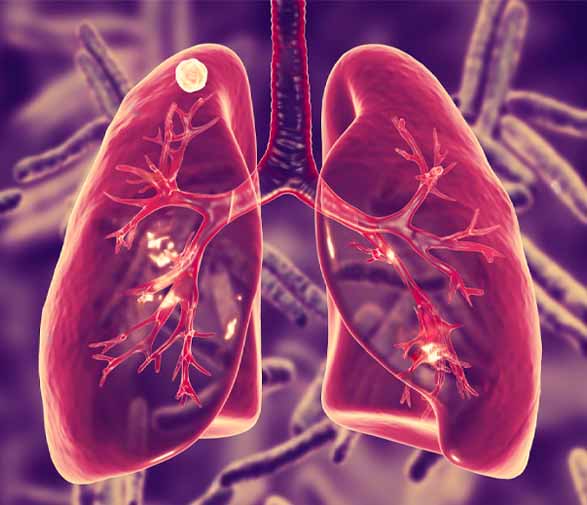
"Roughly speaking, these are lesions smaller than 3 cm, surrounded by lung tissue and not accompanied by lymph nodes."
In rough terms, we can define it as lesions smaller than 3 cm, surrounded by lung tissue and not accompanied by lymph nodes. It can be in the form of ground glass or solid and semi-solid lesions. They do not cause any symptoms or signs in the patient. It is usually seen on chest radiology taken for other diseases.
Symptoms and Causes of Lung Nodules
A lung nodule usually does not cause any symptoms or signs. However, some patients may experience symptoms such as bleeding, coughing and shortness of breath.
Lung nodules are usually detected incidentally during chest radiology for other diseases. However, smoking, genetic predisposition and environmental factors can cause lung nodules to form.
Diagnosis of Lung Nodule
Lung nodules are detected by radiological imaging methods. These include computed tomography (CT) scans, magnetic resonance imaging (MRI) and positron emission tomography (PET).
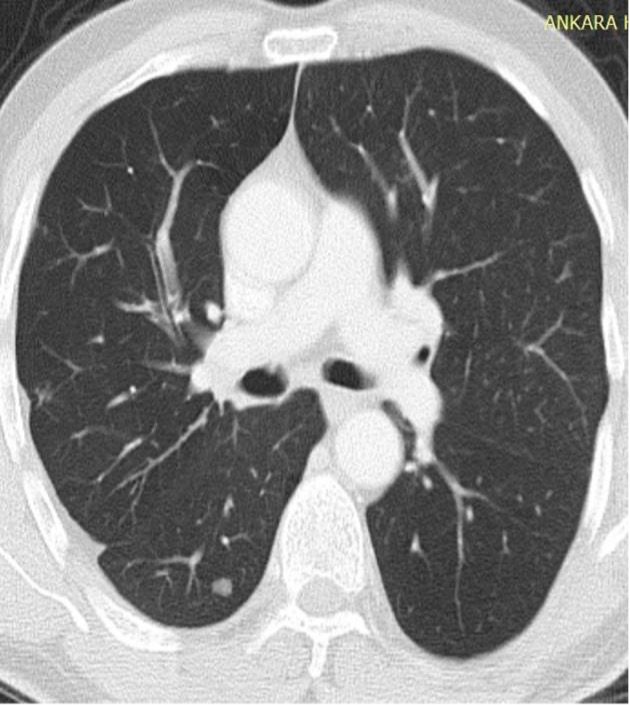
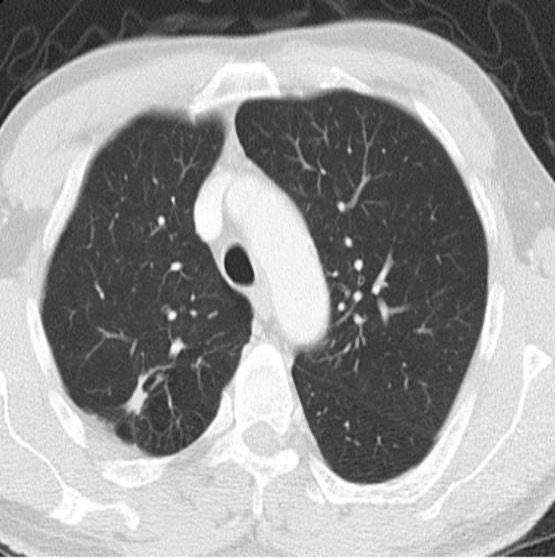
Is Every Lung Nodule a Lung Cancer?
No, not every nodule is cancerous. But we cannot exclude the possibility of cancer. There can be many different causes. From infectious causes to cystic diseases, from tuberculosis to cancer.
Patients over 55 years of age who are smokers and have a family history may need further procedures. For this, examinations should be performed in a hospital environment and, if necessary, procedures leading to surgery should be started. For more detailed information, you can refer to the thesis I supervised, my publications and book chapters.
Lung Nodule Treatment
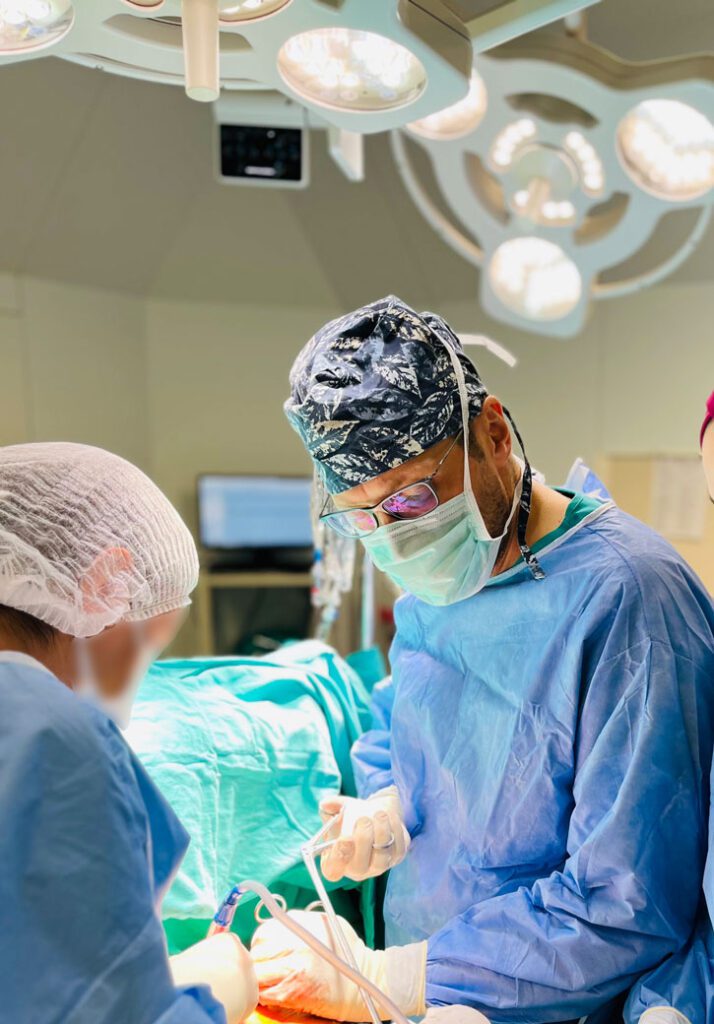
Lung nodules are usually treated with surgical intervention. These include techniques such as VATS lobectomy, VATS pneumonectomy, segmentectomy and wedge resection. Wedge resection is a technique used to remove the part of the lung with a nodule.
Closed nodule removal is the removal of the nodule through a small incision in the chest wall. Rapid pathology (Frozen) is a method used to perform pathological examination of pathology samples during surgery.
Press
-

- Resim1

-

- Resim2

-

- Resim3

-

- Resim13

-

- Resim9

-

- Resim8

What are the Risks of Lung Nodule Surgery?
Lung nodule surgery carries risks like any other surgery. These risks include complications such as infection, bleeding, air leakage in the lung and breathing difficulties. However, these risks are usually rare.
Recovery Process After Lung Nodule Surgery
The recovery process after lung nodule surgery can vary depending on the patient’s age, general health and the type of surgery. Usually, patients are discharged a few days after surgery and can return to their normal activities.

Contact
Address: Ankara Abdurrahman Yurtaslan Oncology Training and Research Hospital Hospital Ankara/TURKIYE
Working Hours:
Weekdays : 08:00 – 17:00
Prof.Dr. Göktürk FINDIK © . All Rights Reserved.
